
For climate resilient communities, environments and economies in the Greater Mekong region.



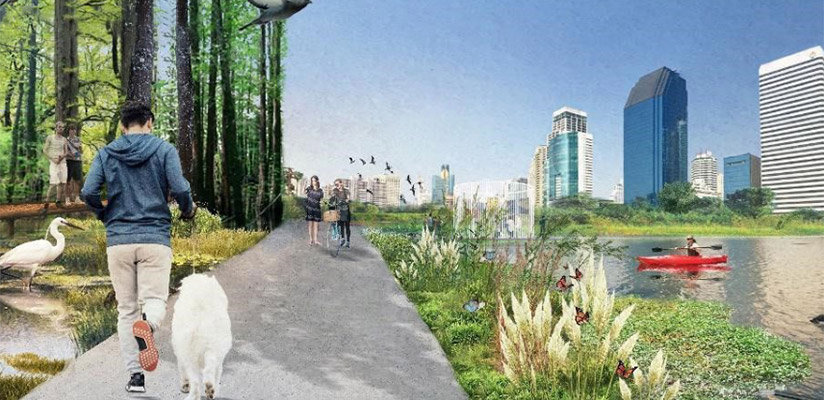
Nature-based solutions offer a wide range of benefits to growing urban communities to help build resilient urban centres and surrounds.
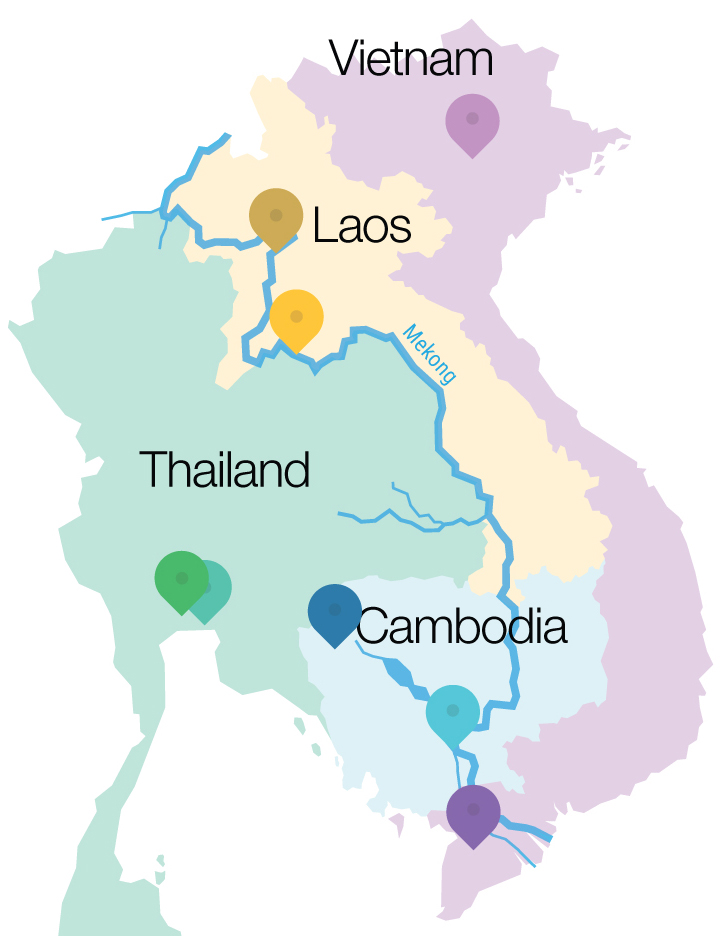
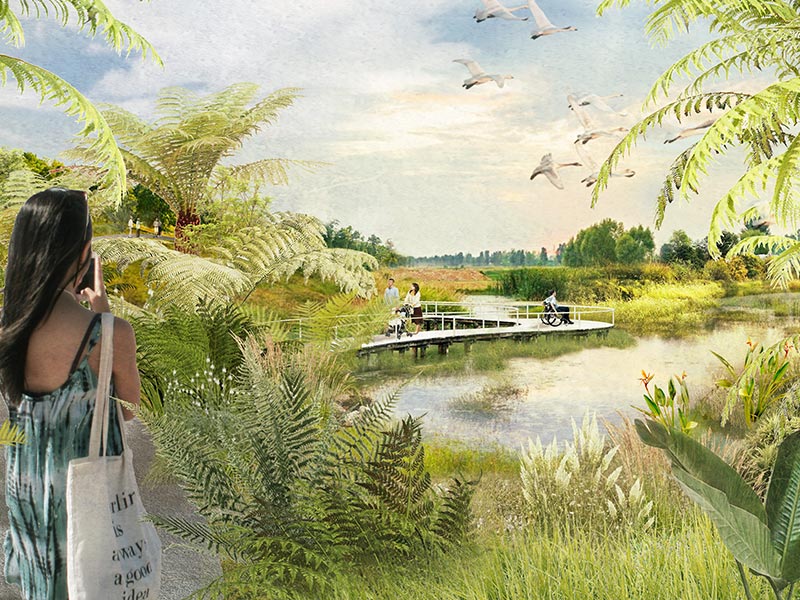
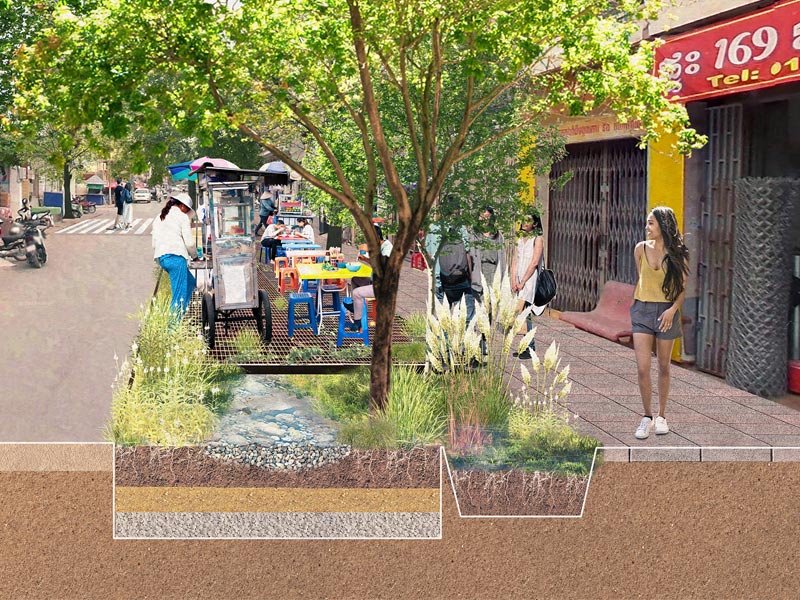
The Resilient Urban Centres and Surrounds Phase 1 (RUCAS 1) used water management as a catalyst to promote urban climate resilience in 4 Mekong Countries – Cambodia, Lao PDR, Thailand and Vietnam. The program showed how hybrid nature-based solutions (NbS) can complement conventional infrastructure and deliver multiple benefits for flood management, urban cooling, water quality, biodiversity, public space, liveability and social inclusion.
The program was funded by the Australian Government through the Mekong–Australia Partnership (MAP) and delivered by Water Sensitive Cities Australia at Monash University, in partnership with the International Centre for Environmental Management (ICEM).


Embedding GEDSI principles is central to valuing and scaling NbS – understanding who participates, who benefits, who may be excluded, and what design, engagement, maintenance and monitoring arrangements deliver equitable climate resilience.
Across Phase 1, we moved from broad recognition of GEDSI as a cross-cutting priority to more practical and intentional application. In the early stages, GEDSI was reflected through stakeholder mapping, inclusive participation goals, country engagement and recognition that women, people with disabilities, low-income groups and other marginalised communities experience urban climate risks differently. As the program matured, GEDSI became more deliberately embedded in problem framing, option assessment, co-design, technical review, guidance development, monitoring and scaling discussions.
This progression was supported by actions such as appointing a dedicated GEDSI Lead, convening the GEDSI Technical Advisory Group and developing the Inclusive and Equitable Urban Nature-based Solutions: A Practical Guide and the accompanying Quick Guide. The guide is structured around the NbS project cycle: planning, development, maintenance, and monitoring, evaluation and learning. The quick guide includes practical prompts for each stage, as well as worked examples for both small-scale and large-scale NbS interventions to show how GEDSI principles can be applied in different contexts.
These actions helped make GEDSI more visible and practical across the program. They also strengthened the evidence base for how inclusion can improve the relevance, safety, accessibility and long-term sustainability of hybrid NbS.

Inclusive and Equitable Urban Nature-based Solutions: A Quick Guide

Inclusive and Equitable Urban Nature-based Solutions: A Practical Guide

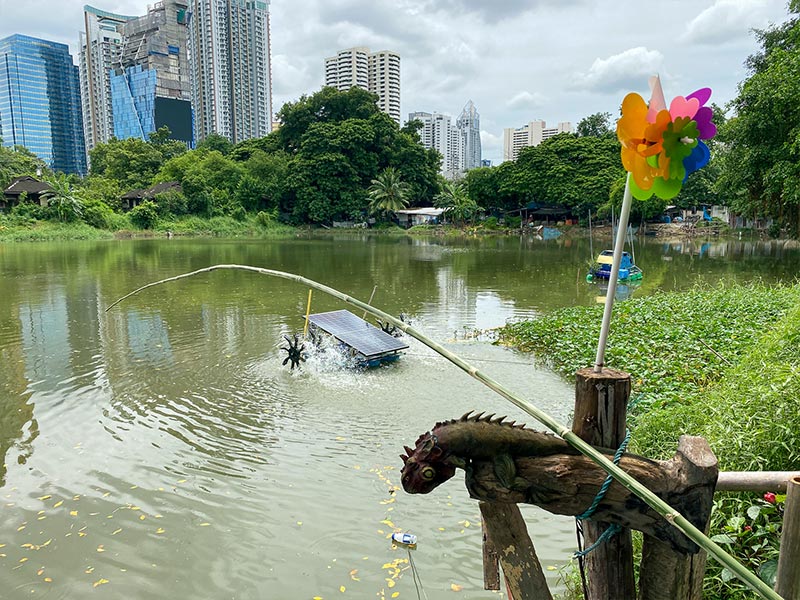
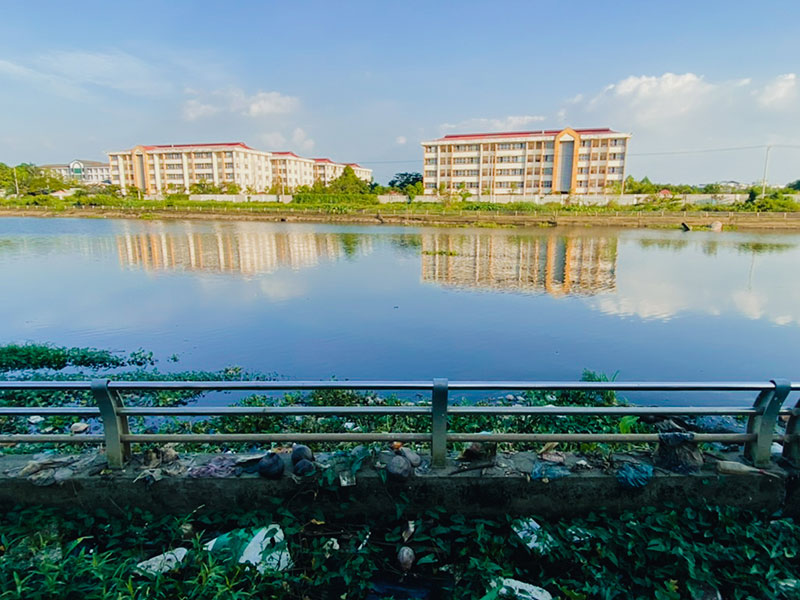
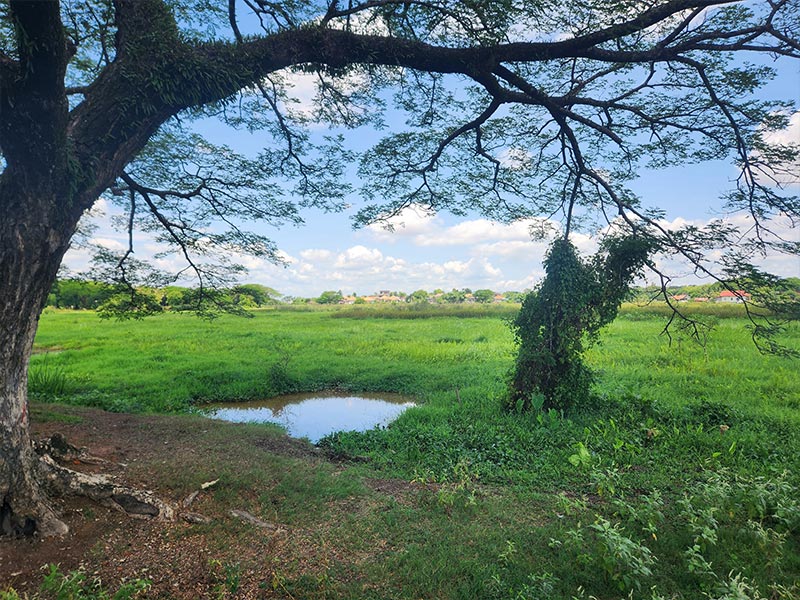
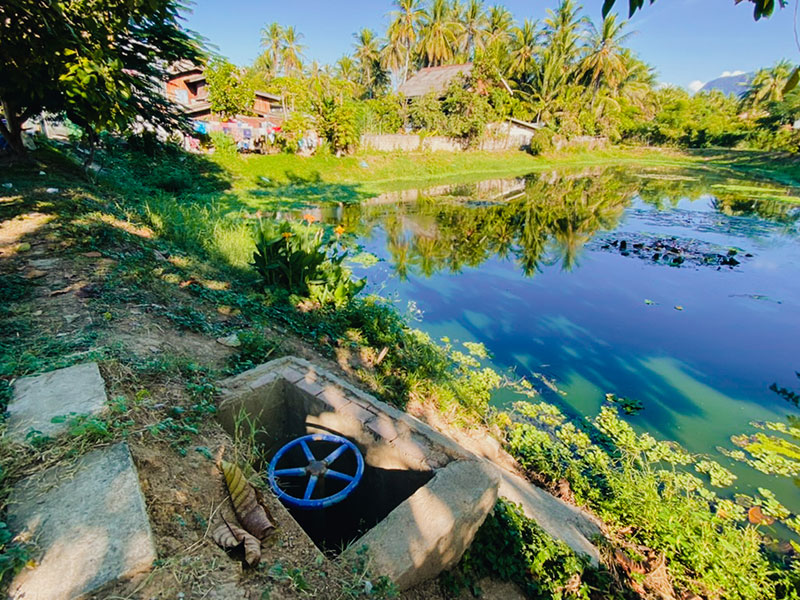
Eight locally relevant case studies progressed NbS concepts towards practical demonstration, design refinement, monitoring and partner-led uptake. These case studies helped partners understand how hybrid NbS can respond to urban flooding, heat, water quality, biodiversity loss, public space and liveability challenges while delivering broader social and economic benefits.
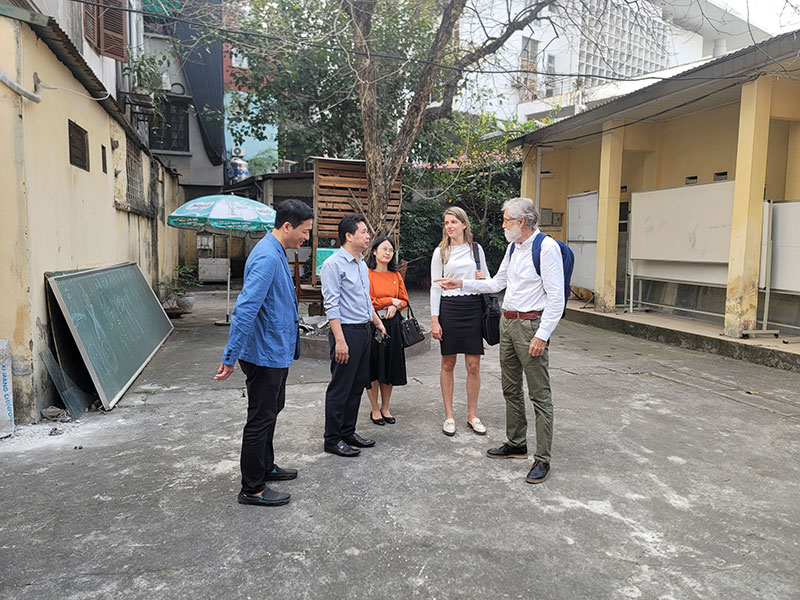
We worked with local officials, civil society coalitions, non-government organisations and researchers to identify case study sites. Each case study:
- developed NbS options to address local issues
- considered the GEDSI implications and opportunities for each site and the implications for inclusive and participatory practice
- quantified market and non-market benefits and costs in monetary terms where possible.

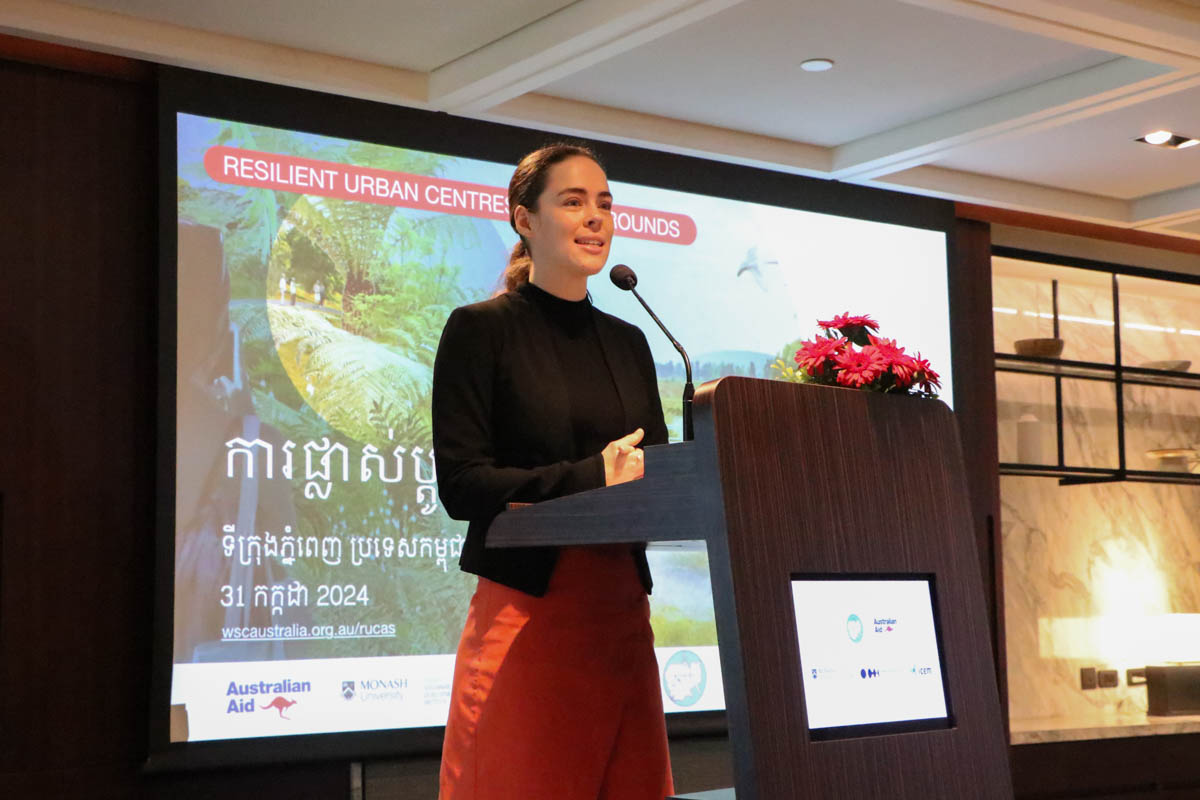
Making a ‘RUCaS’: Experts gather in Bangkok to scale nature-based solutions for climate-resilient cities

Sharing knowledge about nature-based solutions throughout the Mekong region
Get the run down on the RUCaS Regional Conference and Training, held over 4 days in November 2023
Foundational Knowledge Exchanges on Nature-Based Solutions Across the Mekong Region



Integrated Urban Flood
Management
INFFEWS:
Value Tool
INFFEWS:
Benefit: Cost Analysis Tool
A tool tailored to assessing investments
for water sensitive cities
The CRCWSC has produced research, guidelines and
tools related to the following topics:
Climate change
mitigation
Community
engagement
Economics and
business case